Have you ever bought a light bulb only to discover that your room looks completely different from what you expected? The secret may be the colour of the light. Some bulbs produce a warm, golden glow, while others give off a cooler, brighter white light. Choosing between them can influence the atmosphere of your home and how your furniture, wall colours, and decorations appear.
For homeowners decorating or renovating in Ruiru, Kiambu County, understanding lighting colour temperature can make it easier to create comfortable and attractive interiors. At Glow Hub Lights & Interior Deco, lighting is an important part of creating spaces that combine style, comfort, and functionality.
1. What Is Warm White Lighting?
Warm white lighting produces a soft, yellowish glow that can make a room feel cosy and relaxing. It is often associated with comfortable living spaces, especially where people unwind after a busy day.
Warm white bulbs commonly have a colour temperature of approximately 2700K to 3000K. They can work well in bedrooms, living rooms, and dining areas where a welcoming atmosphere is desired.
2. What Is Cool White Lighting?
Cooler white lighting has a whiter, sometimes slightly bluish appearance compared with warm white light. It can create a crisp, clean look and may be useful in areas where clear visibility is important.
Depending on the bulb, cool white lighting may fall within a colour temperature range of around 4000K to 6500K. It can be considered for kitchens, work areas, garages, and other spaces where bright, clear illumination is useful. The appropriate choice depends on the room's purpose and your personal preference.
3. Warm White vs Cool White: What's the Difference?
Both lighting types can be useful in a modern home. The main difference is the atmosphere they create and how they affect the appearance of the space.
Feature
Warm White
Cool White
Appearance
Soft, yellowish glow
Brighter, whiter appearance
Common colour temperature
Approximately 2700K–3000K
Approximately 4000K–6500K
Suitable spaces
Bedrooms, lounges, dining areas
Kitchens, workspaces, utility areas
Atmosphere
Cosy and relaxing
Crisp and bright
Key consideration
Choose a comfortable level of brightness
Avoid excessive glare or harshness
4. Which Lighting Is Best for Your Living Room?
Your living room is often used for relaxing, entertaining guests, and spending time with family. Warm white lighting can help create a comfortable atmosphere, especially in the evening. You can also combine general ceiling lighting with selected accent lights to highlight artwork, decorative features, or particular corners of the room.
When choosing a fixture, consider your wall colours, curtains, furniture, and the amount of natural light entering the room. The aim is to create a balanced space that feels welcoming without being too dim.
5. What About Kitchens and Work Areas?
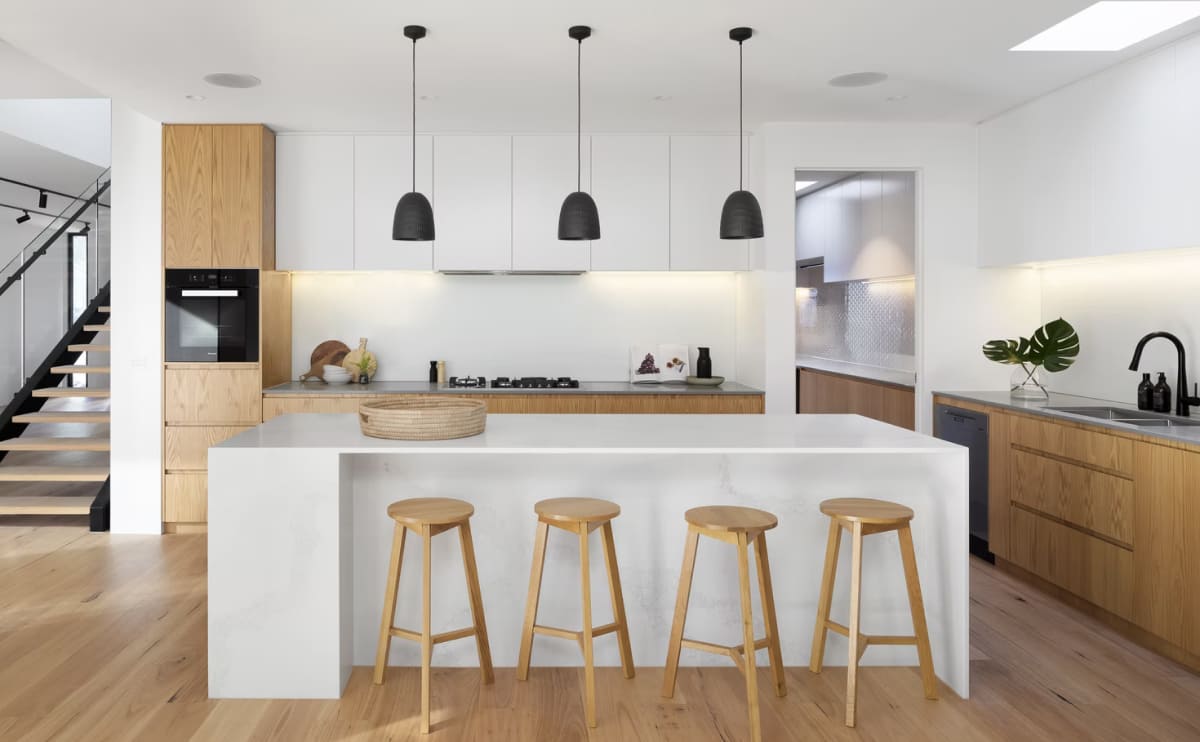
Kitchens often benefit from clear lighting because food preparation and other everyday tasks require good visibility. Neutral white or cool white lighting may be suitable for general illumination and work surfaces, depending on the kitchen design and your preferences.
For a balanced result, consider combining ceiling lights with suitable task lighting in areas where you prepare food. Make sure fixtures are appropriate for their location, especially near moisture or cooking areas, and follow the manufacturer's installation guidance.
6. How Should You Choose Lighting for Your Bedroom?
The bedroom should feel comfortable and support relaxation. Warm white lighting is a popular option because its softer appearance can create a calm atmosphere. Bedside lamps or wall lights can also provide useful illumination for reading without relying entirely on a bright overhead fixture.
If you use your bedroom as a study or work area, consider adding task lighting where you need it. This allows you to maintain a relaxing atmosphere while still having sufficient light for specific activities.
7. Can You Combine Warm White and Cool White Lighting?
Yes. Different rooms can have different lighting requirements, and you do not necessarily need to use the same colour temperature throughout your home. You might prefer warm white in the bedroom and living room while choosing neutral white for the kitchen or work area.
However, try to keep the lighting within each open-plan area visually coordinated. Combining bulbs with noticeably different colour temperatures in the same space can create an uneven appearance unless the contrast is intentional.
8. Don't Forget Brightness and Energy Efficiency
Colour temperature is only one factor to consider when choosing a bulb. Brightness, measured in lumens, indicates how much visible light a bulb produces, while wattage describes its power consumption. For LED bulbs, you can often get useful brightness with comparatively low energy consumption, although actual performance varies by product.
Before purchasing a bulb, check its brightness, colour temperature, fitting type, and compatibility with the fixture. The right combination can help you achieve the look you want while meeting your room's lighting needs.
Choose the Right Lighting for Your Home in Ruiru
Warm white and cool white lighting each have their advantages. Warm white can help create a relaxing atmosphere, while cooler white light may be useful where clear visibility is important. The best option depends on the room, the activities taking place there, and the style you want to achieve.
Whether you are updating a bedroom, improving your kitchen lighting, or planning a complete interior refresh, thoughtful lighting choices can make a difference. Glow Hub Lights & Interior Deco in Ruiru, Kenya, is a relevant place to explore lighting and interior décor inspiration for your home.